Our Projects

Restoration rooted in place.

Muraka Farm develops community-based coral restoration and conservation initiatives shaped by the needs of each reef, island and partner.

Project portfolio

Current restoration work.

Ongoing · Community-Based Coral Reef Restoration

Dhirun

Dharavandhoo, Baa Atoll

Dhirun is Muraka Farm's flagship community-based coral reef restoration programme in Dharavandhoo, combining coral nurseries, Muraka frames, monitoring, environmental education and local capacity building.

Lead: Muraka Farm
Collaboration: Soneva Conservation & Sustainability Maldives
View project →
Completed · Coral Reef Restoration

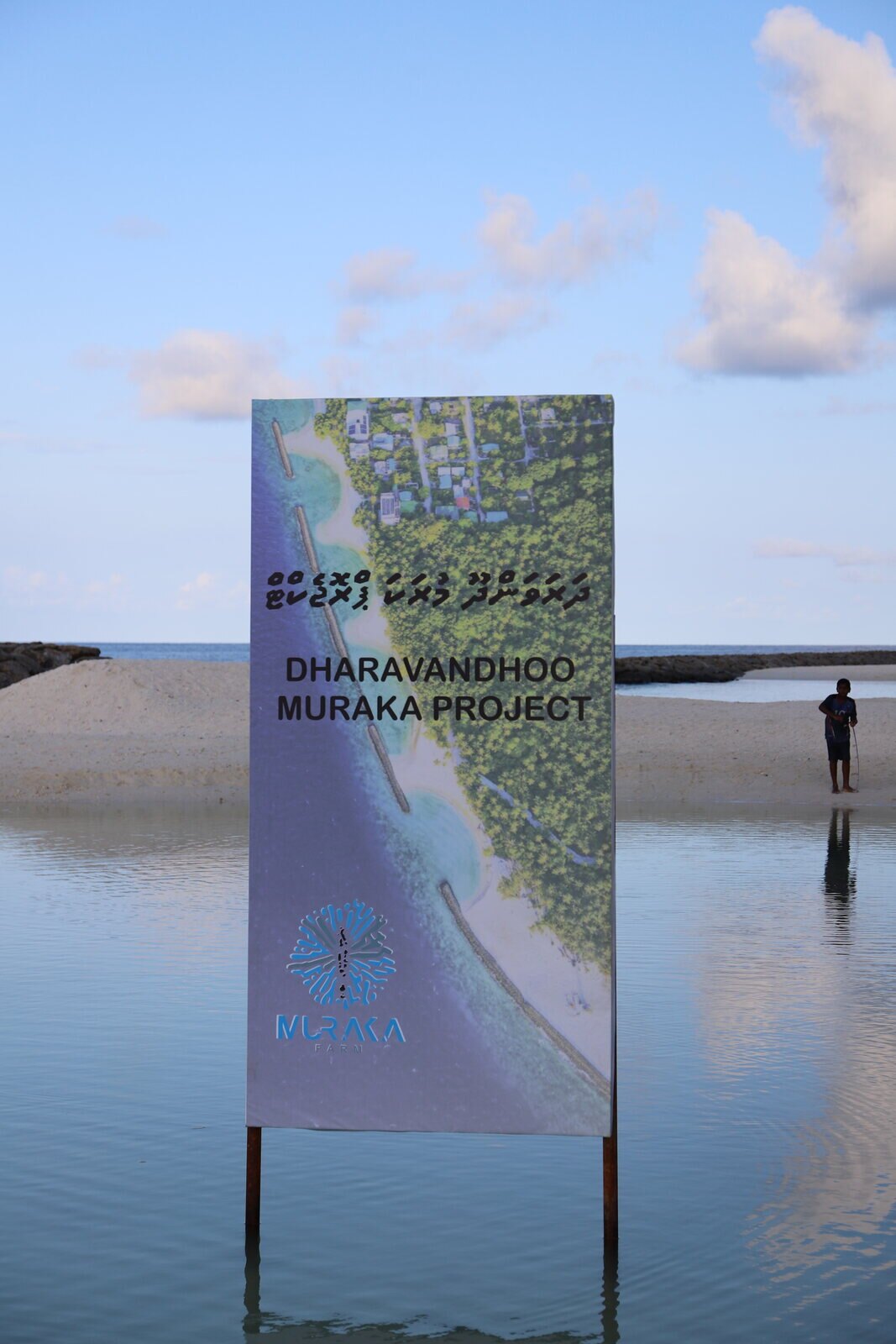
Dharavandhoo Muraka Project

Dharavandhoo, Baa Atoll

A Muraka Farm coral restoration project supported through the Bank of Maldives inaugural Bank Fund, created to safeguard marine biodiversity and promote sustainable livelihoods in Dharavandhoo.

Lead: Muraka Farm
Funding partner: Bank of Maldives
Bank Fund award: MVR 200,000

View project update →
Dharavandhoo Muraka Project · Bank of Maldives

Restoring Dharavandhoo’s house reef through local action.

The Dharavandhoo Muraka Project was developed by Muraka Farm to restore damaged areas of Dharavandhoo’s house reef through coral frames, coral planting, relocation, monitoring and continued maintenance. Supported through the Bank of Maldives inaugural Bank Fund, the project combines practical reef restoration with community participation, environmental awareness and long-term local care.

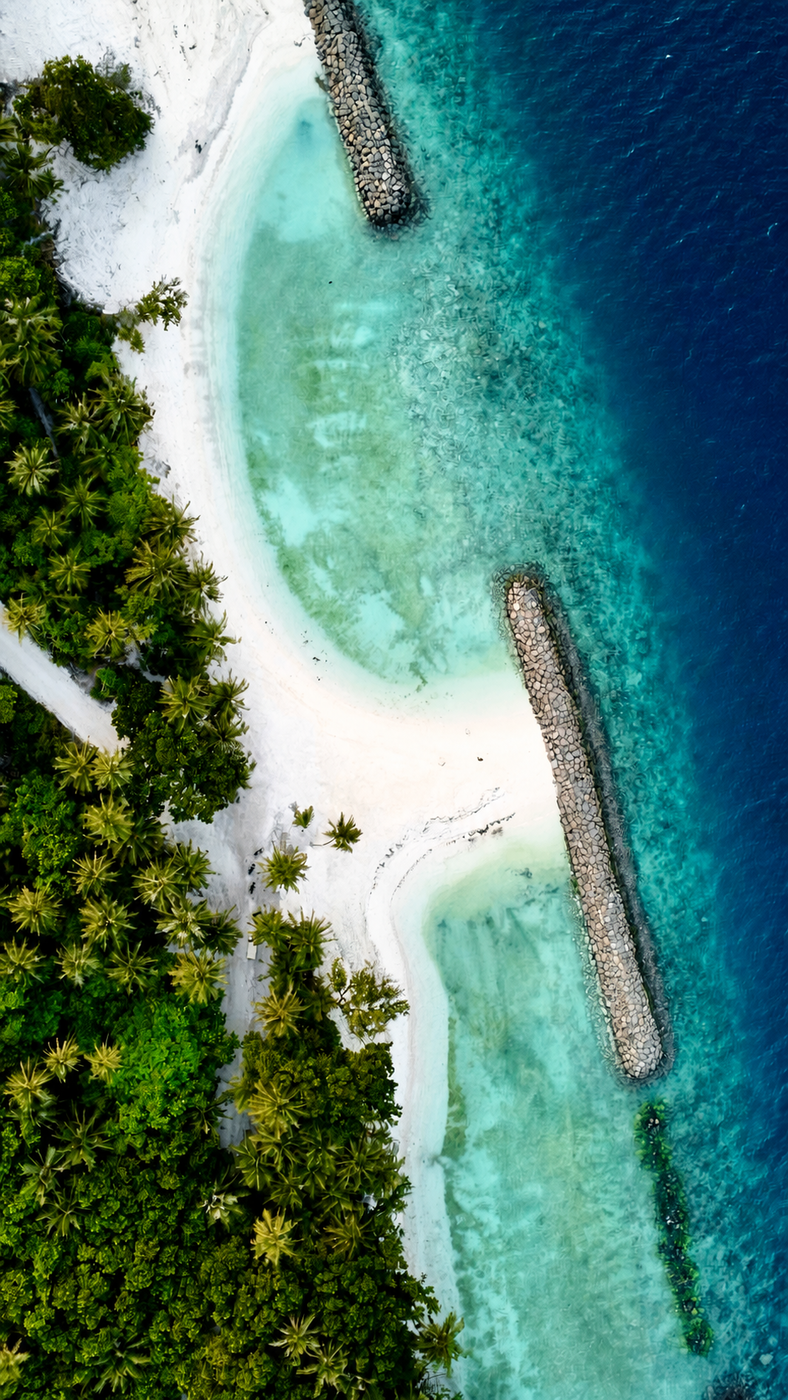
The original project plan focused on the western house reef of Dharavandhoo. It proposed creating a connected underwater coral garden and snorkelling trail designed to support reef recovery, provide habitat for marine life and help residents and visitors experience the importance of a healthy reef.

Planting target

Approximately 500

Planned restoration footprint

Approximately 20 m²

Bank Fund award

MVR 200,000

Project purpose

Reef recovery with community value.

Restore the house reef

Support the recovery of damaged reef areas by installing stable coral structures and planting suitable coral fragments.

Strengthen marine habitat

Create stable structures that can support coral growth, offer refuge for reef fish and contribute to marine life around the natural reef.

Connect people with conservation

Encourage local youth, swimmers, snorkellers, guesthouse visitors and the wider community to understand and participate in protecting Dharavandhoo’s marine environment.

Restoration approach

From reef assessment to long-term monitoring.

The project followed a structured restoration process extending beyond coral planting. Site preparation, frame production, coral attachment, installation, monitoring and maintenance were included in the original implementation plan.

  1. Step 01

    Assess

    Gather information, consult technical specialists and survey the house reef to identify appropriate restoration locations and environmental conditions.

    Activities
    • Information gathering
    • Scientific consultation
    • House-reef site assessment
    • Restoration-area selection
  2. Step 02

    Prepare

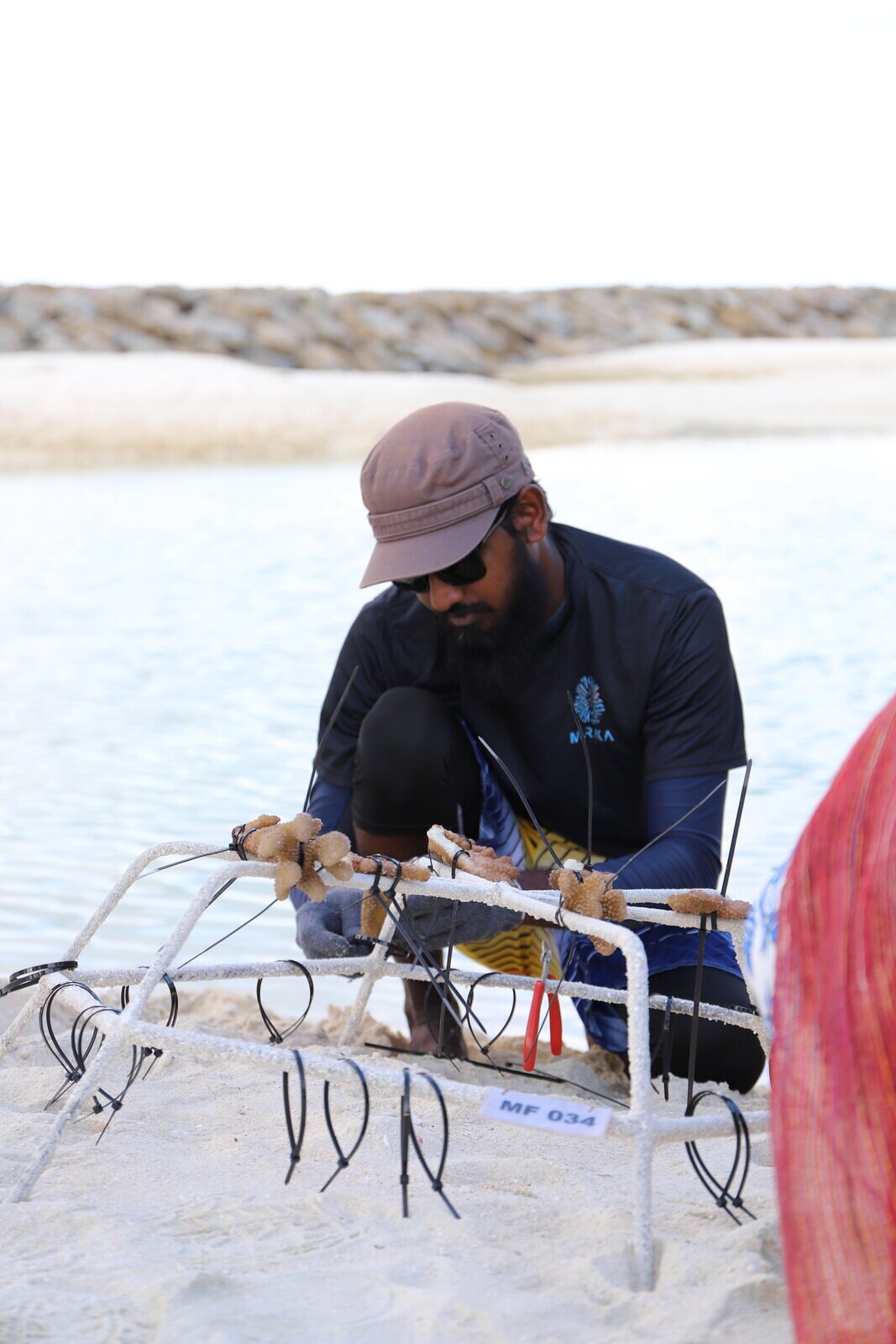
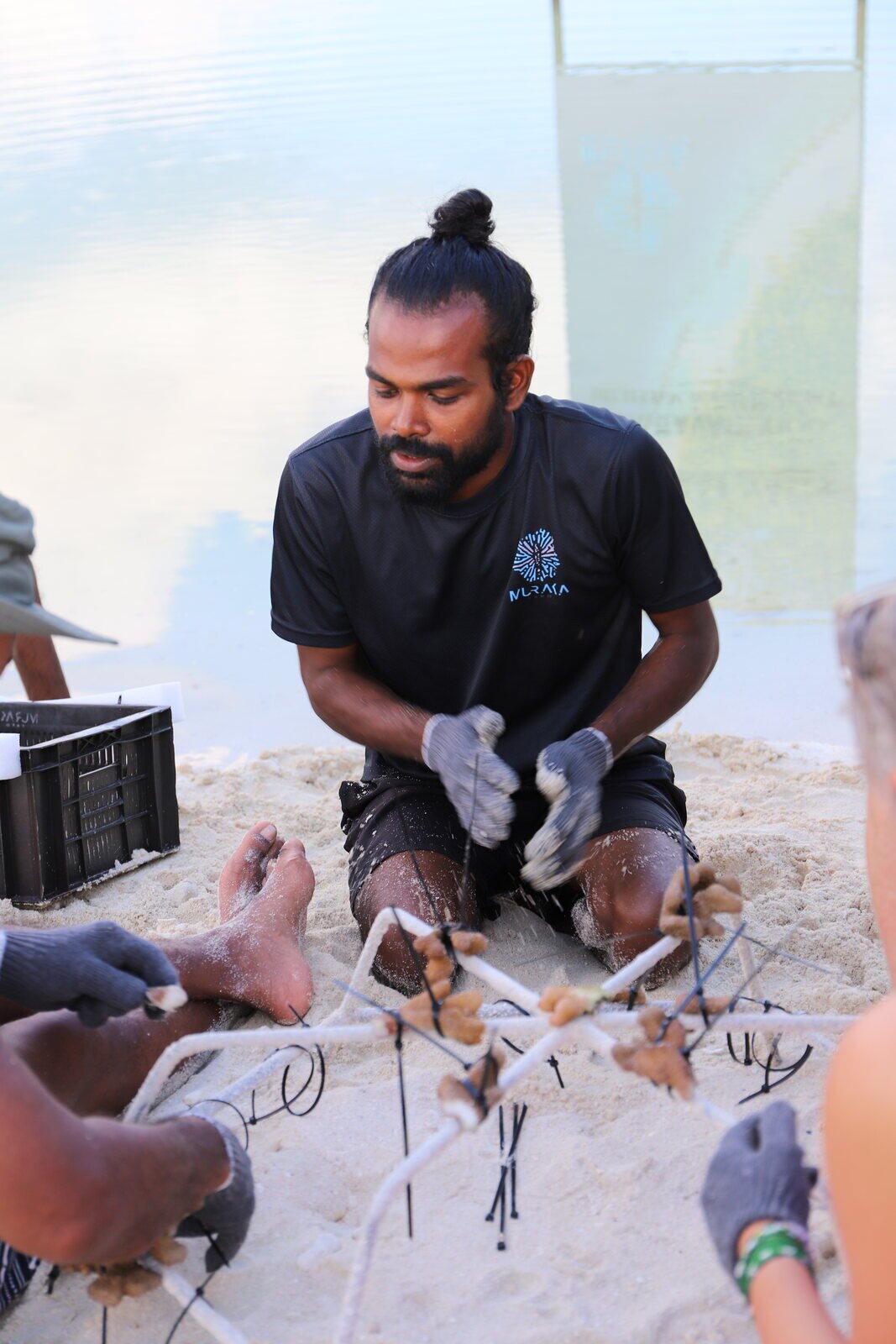
    Design and fabricate low-profile, coated-steel coral frames that provide a stable foundation in damaged or coral-rubble areas.

    Activities
    • Frame design
    • Material preparation
    • Welding and coating
    • Work-area preparation
  3. Step 03

    Plant

    Attach suitable coral fragments to prepared frames and install the structures at the selected restoration site.

    Activities
    • Suitable fragment selection
    • Coral attachment
    • Frame installation
    • Initial coral planting
  4. Step 04

    Care and relocate

    Provide appropriate care for young corals and undertake coral relocation or replanting where required and officially permitted.

    Activities
    • Coral care
    • Approved coral relocation
    • Replanting where necessary

    Any coral collection or relocation must follow applicable approvals and environmental guidance.

  5. Step 05

    Monitor

    Continue observing coral survival, health and growth after installation. Monitoring and reporting help identify maintenance needs and guide future restoration decisions.

    Activities
    • Regular inspections
    • Coral-health observations
    • Frame maintenance
    • Photographic documentation
    • Analysis and progress reporting
Original implementation structure

Preparation, restoration and continued care.

The following stages describe the original implementation structure rather than a current project schedule.

Inland preparation

  • Information gathering
  • Technical consultation
  • House-reef survey
  • Frame design
  • Material collection
  • Restoration planning

Pilot restoration phase

  • Cleaning and preparing working areas
  • Detailed site assessment
  • Frame fabrication and installation
  • Coral planting
  • Approved coral relocation
  • Monitoring and progress reporting

Continued restoration and care

  • Care and treatment of young corals
  • Additional relocation where approved
  • Replanting where necessary
  • Continued frame installation
  • Monitoring, analysis and reporting
Project status

Leadership, funding and verified completion.

Project lead

Muraka Farm

Muraka Farm developed and led the Dharavandhoo coral restoration project, including local coordination, restoration activities and long-term reef-care planning.

Funding partner

Bank of Maldives

Bank of Maldives selected Muraka Farm as a recipient of its inaugural Bank Fund and awarded MVR 200,000 to support the Dharavandhoo coral restoration project.

Muraka Farm’s Flagship Restoration Programme

DHIRUN

ދިރުން

Growth · Life · A reef restored by its community

Dhirun is Muraka Farm’s flagship community-based coral reef restoration programme in Dharavandhoo, Baa Atoll. It brings coral restoration, environmental education, practical training and long-term local stewardship together in one connected programme.

Rather than treating restoration as a single planting activity, Dhirun follows the complete restoration journey—from community engagement and practical training to nursery development, coral outplanting, monitoring and continued reef care.

Community lead

Muraka Farm

Local leadership connects practical restoration with long-term reef stewardship.

Conservation collaborator

Soneva Conservation & Sustainability Maldives
The collaboration brings together community participation, conservation experience and a shared commitment to long-term reef restoration.

Monitoring equipment support

Liquid Salt Divers

Liquid Salt Divers provides diving equipment for Dhirun monitoring sessions, supporting regular in-water reef monitoring and follow-up work.

Phase 01

Community Engagement & Alignment

Restoration begins by bringing people together.

Dhirun introduces the programme to the Dharavandhoo community, schools, local organisations, volunteers and relevant stakeholders. This phase builds understanding of local reef threats, creates opportunities for participation and develops the shared ownership required for long-term restoration.

Key activities

  • Community-awareness sessions
  • Stakeholder engagement
  • School and local-organisation coordination
  • Volunteer participation
  • Reef-conservation discussions
  • Building local ownership
Phase 02

Training & Capacity Building

Turning reef awareness into practical local skills.

This phase trains local youth, students, volunteers and community members in coral reef ecology and practical restoration. Participants learn about reef threats, coral nurseries, coral husbandry, fragment attachment, restoration methods, field safety, documentation and long-term monitoring.

Key activities

  • Coral reef ecology and marine biology
  • Importance of coral reefs to Maldives
  • Climate change and other reef threats
  • Coral nursery rope-system dry builds
  • Coral husbandry and nursery management
  • Coral-fragment attachment
  • Restoration and monitoring methods
  • Snorkelling and equipment safety where applicable
Phase 03

Nursery & Restoration Site Development

Moving from training to active reef restoration.

This phase establishes and develops Dhirun’s coral nursery and restoration site. Suitable naturally broken coral fragments and corals obtained from approved donor locations are attached to nursery systems and Muraka frames, cared for and later transferred to degraded reef areas where appropriate.

Key activities

  • Restoration-site preparation
  • Coral nursery establishment
  • Nursery rope installation
  • Preparation of Muraka frames
  • Suitable coral-fragment collection
  • Fragment attachment
  • Coral husbandry and nursery care
  • Initial coral propagation
  • Outplanting in selected degraded areas

Phase 03 — Videos

Phase 03 videos will be added here.

Phase 04

Monitoring & Long-Term Stewardship

Planting is the beginning—not the end.

Dhirun continues after corals enter the nursery or restoration site. The monitoring team observes coral survival, growth and health while identifying bleaching, disease, damage and maintenance needs. Repeat photographs and field observations build a long-term record that helps guide future restoration decisions.

Key activities

  • Coral survival observations
  • Coral growth documentation
  • Health and bleaching checks
  • Disease and damage observations
  • Nursery maintenance
  • Muraka-frame maintenance
  • Repeat photography
  • Field-data recording
  • Analysis and progress reporting
  • Continued community stewardship

Phase 04 — Videos

Phase 04 videos will be added here.

Where we work

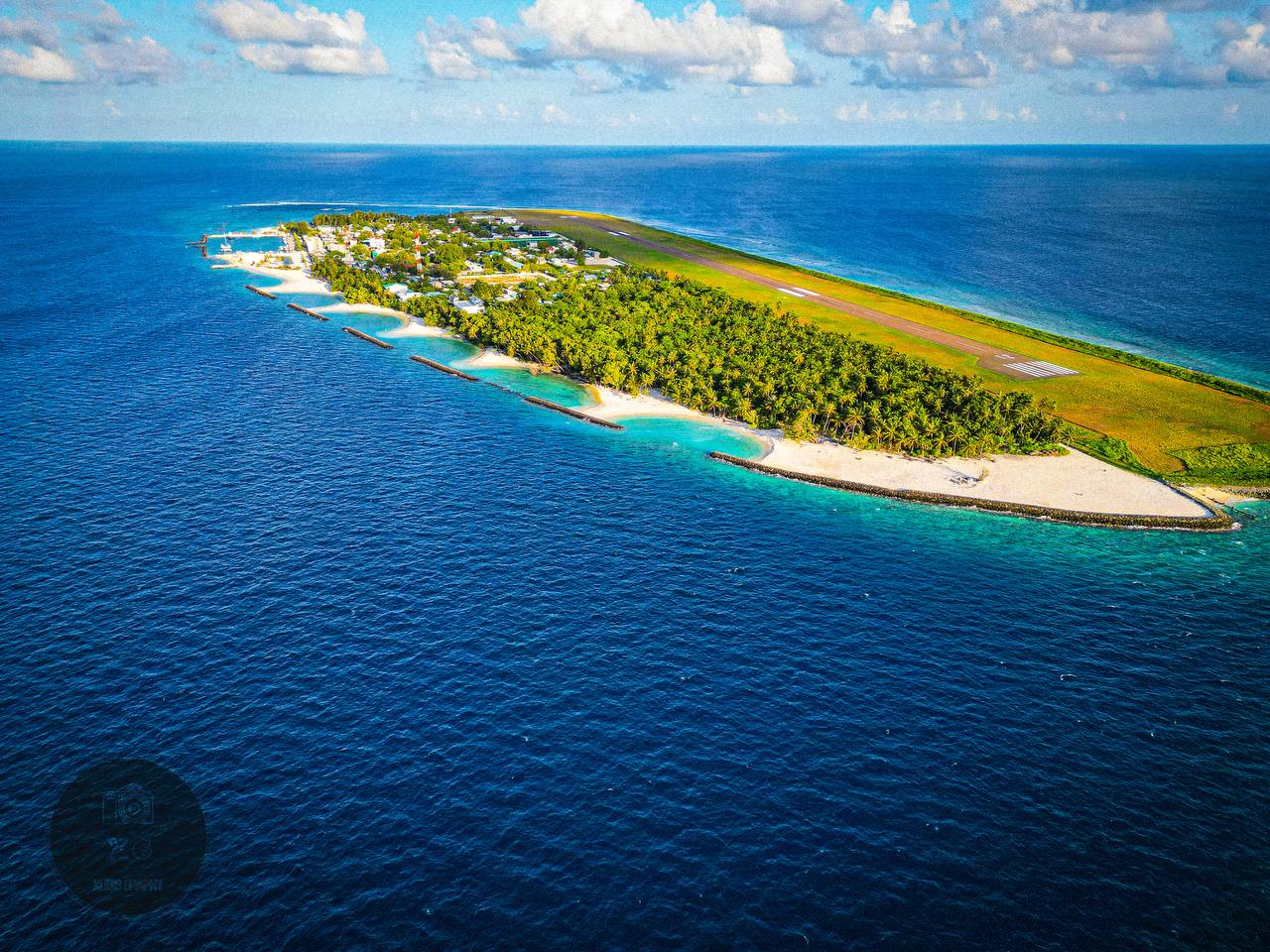
Dharavandhoo, Baa Atoll, Maldives.

Home of Muraka Farm and Dhirun's flagship restoration site.