Dharavandhoo · House Reef · Baa Atoll

Meet the reef.

A growing Muraka Farm field guide to the animals, corals and other organisms that make Dharavandhoo's house reef a living ecosystem.

A living field guide

Learn what lives on our house reef.

Dharavandhoo is surrounded by coral reef habitat that supports reef fish, turtles, sharks, rays, invertebrates and diverse coral communities. This guide is designed for students, snorkellers, divers, researchers and anyone who wants to understand the reef beyond simply seeing it.

Muraka Farm will continue expanding this page as field observations and photographs are verified. Where species-level identification is uncertain, we use the most reliable taxonomic level rather than over-identifying from a photograph.

House reef directory

Explore marine life

Search by common name, scientific name or identifying feature, or filter by marine group.

12 guide entries shown
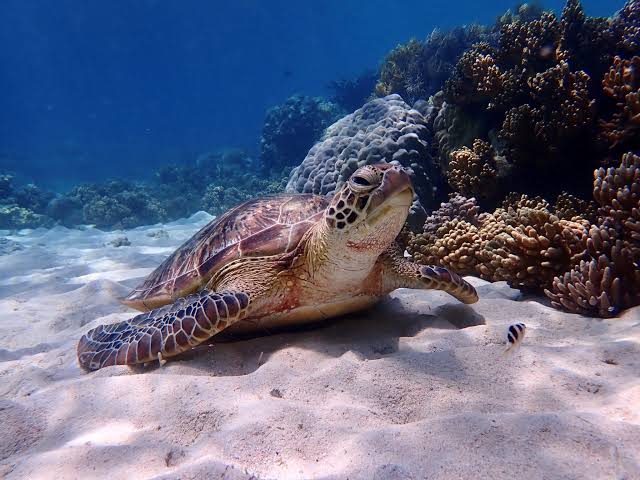
Sea turtle swimming above a coral reef near DharavandhooLocal reef guide
Turtle

Hawksbill Turtle

Eretmochelys imbricata

Closely associated with coral reefs and recognized by its narrow, hawk-like beak and overlapping shell scutes.

Look for
Pointed beak · patterned shell
Reef role
Feeds on sponges and helps shape reef communities
Field photo
to be added
Verification pending
Turtle

Green Sea Turtle

Chelonia mydas

A large marine turtle often seen feeding around reef and lagoon habitats, especially where algae and seagrass are available.

Look for
Rounded head · smooth shell plates
Reef role
Grazes algae and coastal vegetation
Field photo
to be added
Verification pending
Shark

Blacktip Reef Shark

Carcharhinus melanopterus

A slender reef shark strongly associated with shallow tropical reefs and lagoons.

Look for
Distinct black tips on dorsal and other fins
Reef role
Predator that contributes to healthy food-web balance
Field photo
to be added
Verification pending
Shark

Whitetip Reef Shark

Triaenodon obesus

A reef-associated shark that can rest on the seabed during the day and becomes more active while hunting at night.

Look for
White tips on first dorsal and upper tail fin
Reef role
Night-time reef predator
Field photo
to be added
Verification pending
Ray

Spotted Eagle Ray

Aetobatus ocellatus

An elegant ray with broad pointed wings, a long tail and a dark upper surface patterned with pale spots.

Look for
White spots · long whip-like tail
Reef role
Feeds on benthic molluscs and crustaceans
Field photo
to be added
Verification pending
Reef fish

Powder Blue Surgeonfish

Acanthurus leucosternon

A distinctive Indian Ocean surgeonfish and an important grazer on shallow coral reefs.

Look for
Bright blue body · black face · yellow dorsal area
Reef role
Removes algae from reef surfaces
Field photo
to be added
Verification pending
Reef fish

Moorish Idol

Zanclus cornutus

An unmistakable reef fish with strong black, white and yellow bands and an extended dorsal filament.

Look for
Long white dorsal streamer · compressed body
Reef role
Feeds on sponges and other benthic organisms
Field photo
to be added
Verification pending
Reef fish

Emperor Angelfish

Pomacanthus imperator

A large, highly patterned angelfish. Adults have horizontal yellow and blue bands with a dark mask across the eye.

Look for
Blue-yellow bands · dark eye mask
Reef role
Consumes sponges and benthic invertebrates
Field photo
to be added
Verification pending
Reef fish

Giant Moray

Gymnothorax javanicus

One of the largest reef morays, usually encountered with its head protruding from coral or rocky crevices.

Look for
Large head · mottled brown body
Reef role
Predator of reef fish and cephalopods
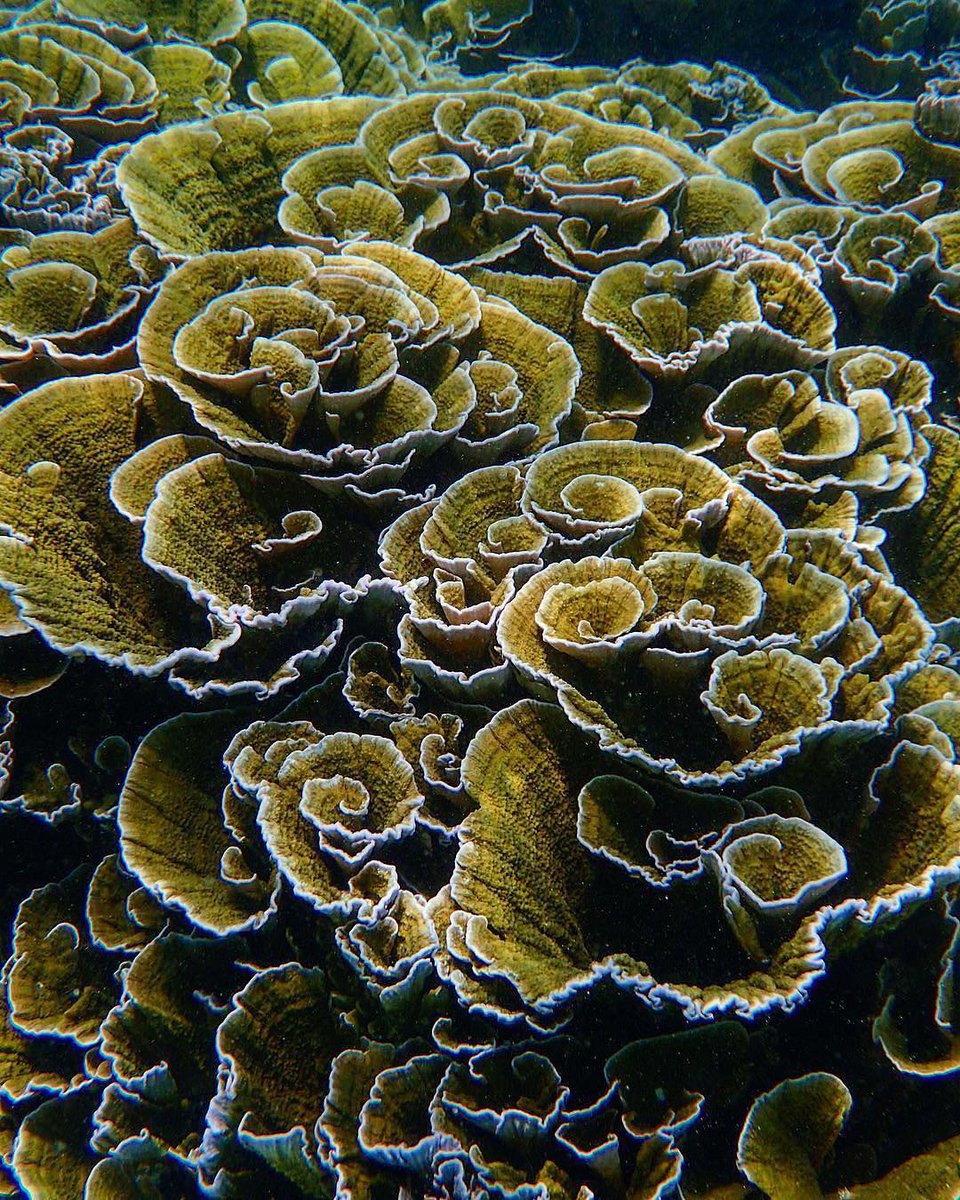
Branching and layered coral habitat near DharavandhooGenus-level guide
Hard coral

Acropora Corals

Acropora spp.

A diverse reef-building coral genus that includes branching, table and other growth forms. Species-level identification often requires close skeletal examination.

Look for
Axial corallite at branch tips
Reef role
Builds complex three-dimensional reef habitat
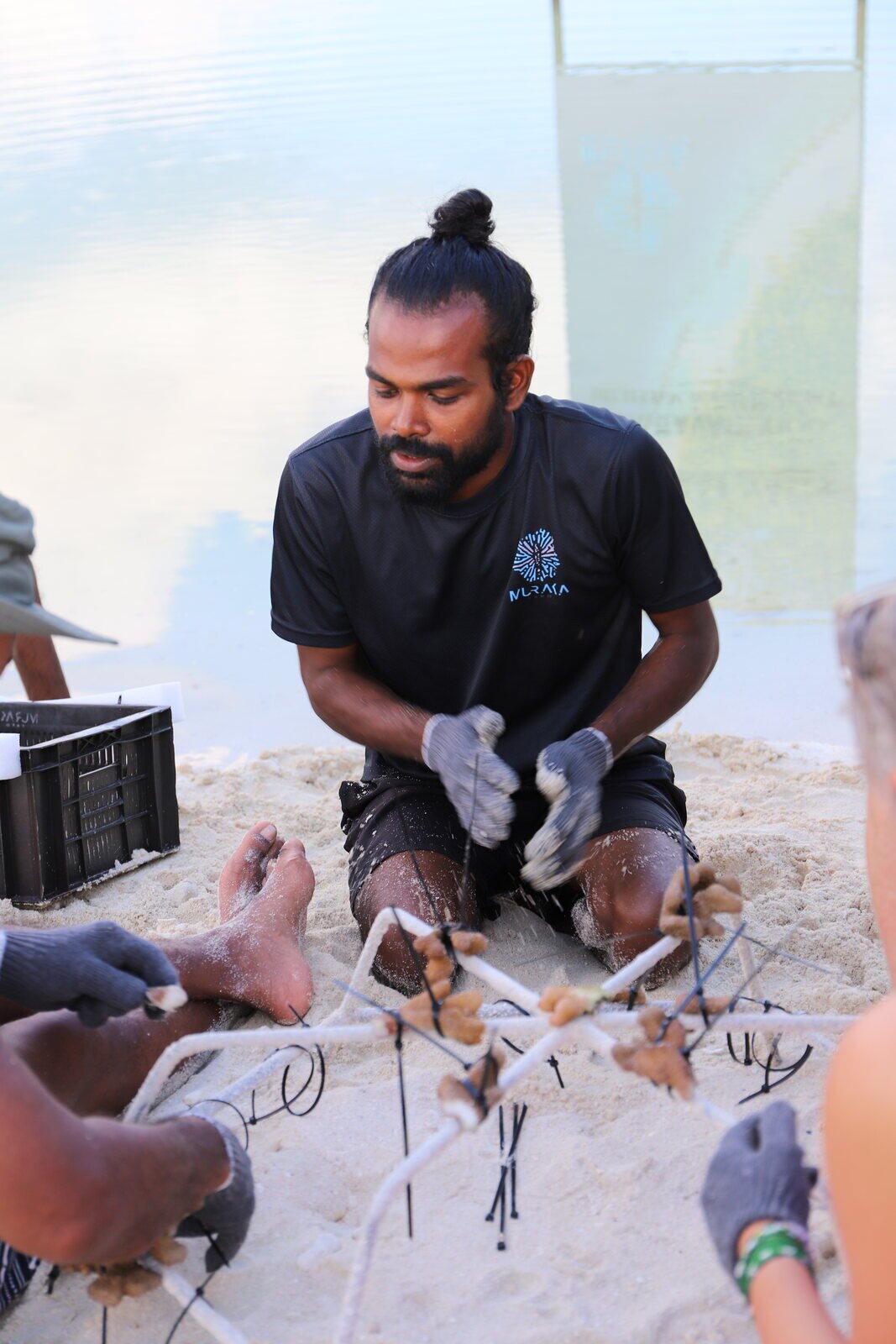
Coral fragments used in Muraka Farm restoration work at DharavandhooGenus-level guide
Hard coral

Pocillopora Corals

Pocillopora spp.

Branching corals often recognized by small wart-like structures called verrucae on the colony surface.

Look for
Compact branches · wart-like verrucae
Reef role
Provides shelter for small reef organisms
Field photo
to be added
Verification pending
Invertebrate

Small Giant Clam

Tridacna maxima

A brightly mantled reef clam that lives partly embedded in hard reef substrate and hosts photosynthetic symbionts.

Look for
Colourful exposed mantle · fixed position on reef
Reef role
Filters water and contributes material to reef systems
Observe responsibly

Look closely. Leave the reef unchanged.

Do not touch or stand on coral. Even brief contact can damage living tissue.

Give animals space. Do not chase, surround or block their movement.

Photograph, don't collect. Images and field notes are more valuable when the animal remains where it belongs.

Help build the guide

Photographed something on Dharavandhoo house reef?

Send Muraka Farm a clear image with the date and approximate reef location. Verified observations can help expand this public biodiversity guide.

Share an observation →